






FEBRUARY 2026 FREIGHT FERRY MARKET UPDATE
B2B & B2C Commercial Insight Edition
Prepared for freight forwarders, hauliers, logistics managers & shipping clients
1. summary
European ferry freight networks enter February with overall stable capacity, though weather across the Channel, North Sea, Irish Sea, and Baltic continues to create short‑notice operational disruptions.
Key themes this month:
2. OPERATIONAL IMPACT BY OPERATOR
DFDS
North Sea (Immingham–Rotterdam/Ghent/Cuxhaven):
Minor schedule changes due to berthing window adjustments and weather‑related slowdowns.
Dover–Calais/Dunkirk:
High winds continue to trigger rolling delays, though frequency remains reliable.
stena line
Irish Sea (Holyhead–Dublin / Fishguard–Rosslare):
Intermittent weather disruption, mostly 1–4 hours.
Baltic (Karlskrona–Gdynia):
Reliability improving; February forecast remains stable.
p&O FERRIES
Dover–Calais:
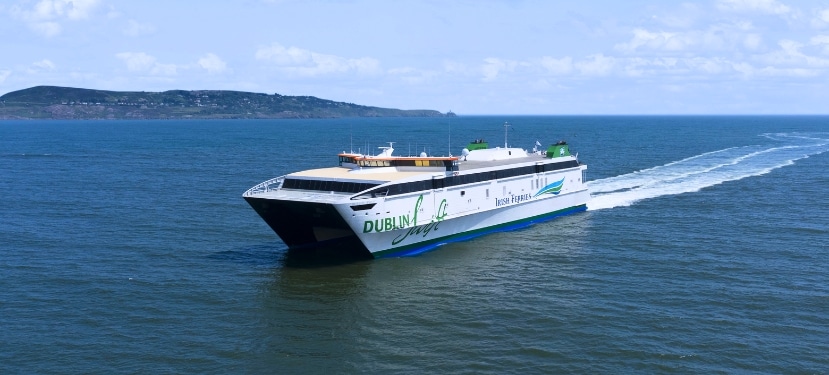
Irish Ferries has strengthened its presence on the Short Sea corridor, offering a high-frequency alternative alongside established operators. For freight customers, this means:
– More daily departure options, especially at peak freight times
– Competitive transit times and port turnaround on the core UK–France link
– Additional flexibility for hauliers seeking to avoid congestion spikes by shifting departure times or operators
Brittany ferries
Spain (Bilbao/Santander–Portsmouth/Plymouth):
Strong freight loads, especially for refrigerated cargo.
Cherbourg–Poole:
Small winter schedule adjustments; capacity remains steady.
3. corridor / route analysis
⛴️ UK ↔ France (Short Sea)
- Most resilient corridor.
- Expect 3–5% punctuality impact from wind‑related restrictions.
- Calais/Dover experience periodic queuing during weather peaks
⛴️ UK ↔ Ireland
- Overall stabilisation following January storms.
- No major capacity shortages expected.
⛴️ UK ↔ Spain
- High reefer demand for produce and fresh goods.
- Longer lead times on Friday–Monday departures.
⛴️ North Sea
- Expect slight schedule variability due to Rotterdam/Ghent port maintenance.
- CLdN and DFDS vessels maintaining reliable core frequencies.
⛴️ Baltic Sea
- Weather remains a risk factor but operations broadly normalising.
4. COMMERCIAL INSIGHTS
- Spot rates: Stable, with minor upward pressure on volatile corridors (Baltic, Irish Sea).
- Reefer priority: February allocates more capacity to temperature-controlled units.
- Unaccompanied demand: Increasing as hauliers optimise driver allocation.
- Customs impacts: Spot inspections at Calais/Dover still create unpredictable delays at peak hours.
5. RECOMMENDED
📢 For Freight Forwarders & Hauliers:
- Build 12–24h buffer on weather‑sensitive routes (Baltic, Bay of Biscay, Irish Sea).
- Pre‑book UK–Spain and France–Ireland lanes to secure space for reefers.
- Monitor DFDS and Stena Line for short‑notice schedule adjustments.
- Use Short Sea (Dover–Calais/Dunkirk) for recovery planning when longer routes delay.
- Ensure document readiness to mitigate customs delay risk.
MANDATORY DECLARATIONS TO BE MADE IN ADDITION TO FREIGHT FERRY RESERVATIONS
GMR
Goods Movement Reference: a mandatory reference that proves your goods are correctly declared for crossing into the UK.
ICS2
Import Control System 2: the EU system where importers submit safety and security data for goods entering the EU from the UK.
ENS BG
Entry Summary Declaration UK: a security declaration required before entering the UK to ensure all goods are properly registered.
ELO
Entry Logistics Envelope: a single code that consolidates all your customs formalities for a smooth and fast port crossing.
HGV TAX
Road User Levy: a mandatory tax that allows your heavy goods vehicle to legally use UK roads.
contact our team
For more information regarding our ferry service or any other question you may have regarding MOVE EXPERT,
contact our local team who are here to help you.